
Skin cancer is the most common form of cancer in the United States. The board-certified dermatologists at Northstar Dermatology provide comprehensive skin cancer screenings for Fort Worth patients and have experience surgically treating common forms of skin cancer. Prevention and early detection are important, and our team helps patients understand how to protect their skin and recognize changes that may require evaluation.
While many people are familiar with melanoma, basal cell carcinoma and squamous cell carcinoma are more common forms of skin cancer.
While most people are familiar with Melanoma skin cancer, Melanoma is actually the rarer form of skin cancer. Basal Cell Carcinoma and Squamous Cell Carcinoma affect significantly more individuals than Melanoma
Basal cell carcinoma is the most common form of skin cancer. While it typically grows slowly and rarely spreads to other parts of the body, an untreated lesion can continue to grow and damage surrounding tissue.
Basal cell carcinoma is commonly associated with cumulative exposure to ultraviolet light from the sun or indoor tanning. People with fair skin, a history of sunburns, light or red hair, or significant outdoor exposure may have an increased risk.
For Fort Worth residents, years of Texas sun exposure through outdoor work, sports, recreation, yard work, and everyday activities can add up over time. If you notice a spot that does not heal, a persistent scaly patch, or another new or changing area of skin, schedule an evaluation with a board-certified dermatologist.
Squamous cell carcinoma is the second most common type of skin cancer and is also strongly associated with UV exposure.
Unlike basal cell carcinoma, squamous cell carcinoma has the potential to spread to other parts of the body. Early diagnosis and treatment are therefore important.
Squamous cell carcinoma may appear as a sore that does not heal, a persistent scaly area, or a wart-like growth. If you notice one of these changes or another new or changing spot, contact a board-certified dermatologist for evaluation.
The physicians at Northstar Dermatology provide surgical dermatology services for skin cancer and other skin conditions.
One common treatment is surgical excision. During this procedure, the dermatologist removes the cancerous tissue along with a margin of surrounding skin. The area is then closed with sutures, and patients may need to limit lifting or strenuous physical activity while the site heals.
Certain superficial or early-stage skin cancers may be treated with other approaches, depending on the type and location of the cancer. Some larger skin cancers or cancers in cosmetically sensitive areas may require treatment with Mohs surgery or referral for specialized care.
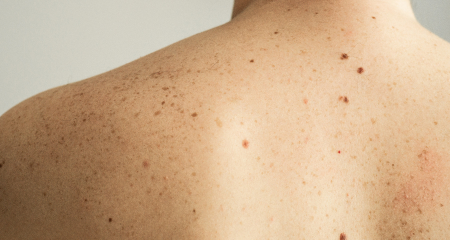
A skin cancer screening is a thorough head-to-toe examination of the skin to look for suspicious spots or other potential signs of skin cancer.
During the examination, your dermatology provider may use a dermatoscope, a specialized magnifying tool that allows certain features of a lesion to be viewed more closely.
If a spot appears suspicious, a skin biopsy may be recommended. During a biopsy, a small sample of the lesion is removed and sent to a laboratory for examination. Precancerous spots and certain benign lesions may also be evaluated or treated during the visit.
Skin cancer screening appointments are primarily focused on identifying suspicious lesions and discussing skin cancer prevention. Other concerns, such as acne or rashes, may require a separate appointment.
Skin cancer screenings can be beneficial for patients of all skin types. Certain factors may increase the risk of developing skin cancer, including:
Fort Worth patients who spend significant time outdoors or have a history of cumulative Texas sun exposure may especially benefit from discussing routine skin cancer screenings with a dermatologist.
If you have noticed a new, changing, or unusual mole, you can also learn more about mole removal and evaluation through Northstar Dermatology.