

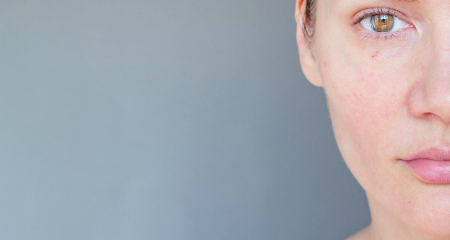
Persistent facial redness, flushing, visible blood vessels, or acne-like breakouts may be signs of rosacea. The dermatology team at Northstar Dermatology evaluates and treats rosacea for patients throughout Fort Worth with personalized treatment plans designed to reduce active flares and help manage recurring symptoms.
If rosacea is affecting your comfort or confidence, schedule an evaluation with a Fort Worth rosacea dermatologist.
Rosacea is a chronic skin condition that most commonly affects the central face. Symptoms vary from person to person and may include:
Some patients experience more than one type of rosacea symptom at the same time.
Rosacea often cycles between flare-ups and periods of remission. Several factors may trigger or worsen symptoms, including:
Fort Worth’s intense summer heat, strong sun, and frequent transitions between outdoor heat and air-conditioned indoor spaces may be especially challenging for rosacea-prone skin.
One of the most important parts of rosacea management is identifying and avoiding personal triggers whenever possible. When trigger avoidance is not enough, treatment may include:
Using a gentle cleanser, moisturizer, and daily sunscreen can help calm sensitive skin and improve tolerance to other treatments.
Broad-spectrum sunscreen with SPF 30 or higher is recommended, along with regular reapplication during prolonged outdoor exposure. Mineral sunscreens may be less irritating for some patients with rosacea. Wide-brimmed hats and sunglasses can also provide additional protection during Fort Worth’s sunny weather.
Several prescription topical medications can target specific rosacea symptoms. Azelaic acid, metronidazole, and ivermectin may help reduce inflammatory bumps, redness, or irritation.
Other medications, including oxymetazoline or brimonidine, may be used to temporarily reduce persistent facial redness. Sulfur-containing washes may also be recommended for some patients.
Oral medications such as low-dose doxycycline may be used to reduce inflammation in moderate or more persistent rosacea. In severe cases with significant inflammatory breakouts, isotretinoin may be considered.
Because rosacea can sometimes resemble acne or other inflammatory skin conditions, evaluation by a dermatologist can help determine the most appropriate treatment.
Laser and light-based treatments may be used to reduce visible blood vessels and persistent redness. In patients with advanced skin thickening, procedural treatments may also be considered.
Northstar Dermatology provides additional medical dermatology services for other chronic and inflammatory skin concerns.